We've moved to a larger location on Chatsworth and Lindley - Get directions here
15 years of Trusted 5-star reviews specializing in Kids Dentistry and Orthodontics for all ages.
Now also offering general dentistry for adults!
-
Granada Hills :
(818) 360-2131
-
ChatSworth :
(818) 739-0182
Serving Granada Hills since 2008 and Chatsworth since 2020
Book Now-
Granada Hills :
(818) 360-2131
-
ChatSworth :
(818) 739-0182

Contact Us:

Granada Hills
18121 Chatsworth Street, Granada Hills, CA 91344, United StatesChatsworth
20933 Devonshire St. Suite 103 Chatsworth, CA 91311 Granada Hills: (818) 360-2131 Chatsworth: (818) 739-0182Follow Us:
Dental Bone Graft Los Angeles . Granada Hills . Northridge . Porter Ranch

Dental Bone Graft Los Angeles . Granada Hills . Northridge . Porter Ranch
Understanding Bone Grafting
What Is Bone Grafting?
When a tooth has been missing for some time, the jawbone beneath it can begin to shrink or deteriorate — a process known as bone resorption. As the bone weakens and thins, it may no longer be strong enough to support a dental implant.
Bone grafting is a specialized procedure that helps rebuild or replace this lost bone. It allows dentists and periodontists to restore proper bone volume, making it possible to securely place dental implants. In addition to restoring function, bone grafting improves facial structure and overall aesthetics by rebuilding the natural contours of the jaw.
Main Types of Bone Grafts
1. Autogenous (Autograft)
An autogenous bone graft uses bone taken from your own body, commonly from the chin, jaw, hip, leg, or skull. Because this bone is living tissue, it contains natural cells that actively promote new bone formation. Another major benefit is compatibility — since it’s your own tissue, there’s no risk of rejection.
The primary drawback is that it requires an additional surgical site to collect the bone, which means more healing time and potential discomfort. For some patients, this extra procedure may not be ideal.
2. Allogenic (Allograft)
Allogenic bone grafts come from a human donor (cadaver bone) that has been sterilized and freeze-dried to remove all organic material and water. This bone does not regenerate on its own but acts as a scaffold that your body’s natural bone cells grow into over time.
Allografts eliminate the need for a second surgery to harvest your own bone, making them less invasive. However, bone growth with this method can take longer than with autografts.
3. Xenogenic (Xenograft)
Xenogenic grafts are created from non-living bone tissue sourced from another species, most often bovine (cow) bone. The material is purified and heat-treated to remove all proteins and prevent immune reactions or disease transmission. Like allografts, xenografts act as a framework that encourages your natural bone to grow and fill the treated area.
Their main advantage is that no donor site surgery is required, but the healing process tends to be slower, and outcomes may vary depending on individual bone response.
Bone Graft Alternatives and Synthetic Options
Modern dentistry also offers synthetic and composite grafting materials that eliminate the need for natural bone entirely. These materials are carefully engineered to be safe, biocompatible, and effective in stimulating bone regeneration.
Demineralized Bone Matrix (DBM) / Demineralized Freeze-Dried Bone Allograft (DFDBA)
This processed bone material contains essential proteins, collagen, and natural growth factors extracted from allograft bone. It’s available in various forms such as powders, chips, putties, or injectable gels, depending on the site and size of the graft.
Graft Composites
Composite grafts combine several materials to harness multiple benefits. Common examples include:
- Collagen-ceramic composites that closely mimic real bone.
- DBM mixed with bone marrow cells to boost bone growth.
- Collagen/ceramic/autograft blends for improved strength and integration.
Bone Morphogenetic Proteins (BMPs)
BMPs are naturally occurring proteins in the body that regulate bone healing and growth. When used synthetically, they help stimulate the bone to regenerate more effectively at the graft site.
Choosing the Right Bone Grafting Method
Each grafting approach — natural or synthetic — offers unique advantages. Autografts provide the most predictable results due to their live bone cells, while allografts and xenografts reduce surgical complexity. Synthetic options eliminate the need for bone harvesting entirely, minimizing pain and recovery time.
About Bone Grafting
Over a period of time, the jaw bone associated with missing teeth atrophies and is reabsorbed. This often leaves a condition in which there is poor quality and quantity of bone suitable for the placement of dental implants. In these situations, most patients are not candidates for the placement of dental implants. With bone grafting we now have the opportunity to not only replace bone where it is missing, but we also have the ability to promote new bone growth in that location. This not only gives us the opportunity to place implants of proper length and width, it also gives us a chance to restore functionality and aesthetic appearance.

Ideal Candidates for Dental Bone Grafts
Bone Loss In The Jaw
If you’ve experienced bone shrinkage (resorption) due to missing teeth, periodontal disease, or trauma, a graft can rebuild the lost bone.
Common Causes
- Tooth loss for several months or years
- Long-standing dentures
- Advanced gum disease
- Previous infections or cyst removal
Planning For Dental Implants
You may need a graft when:- The jawbone isn’t thick or dense enough to support an implant
- The sinus cavity is too close to the upper back teeth (needing a sinus lift)
A bone graft ensures the implant has a strong, stable foundation.
Periodontal Disease
Severe gum disease can destroy the bone around teeth.
A periodontal (ridge) graft can rebuild bone to help stabilize teeth or improve treatment outcomes.Facial trauma Or Defects
Bone Was Lost Due To
- Accidents
- Fractured jaws
- Congenital defects (e.g., cleft palate area) …a graft may be required to restore structure.
Ridge Augmentation
If the jaw ridge is too narrow or uneven—often due to long-term missing teeth—a graft can reshape and widen it.
Undergoing Tooth Extraction
Some people receive a socket preservation graft at the time of extraction to maintain bone volume and prevent future resorption.
Bone Graft Substitutes
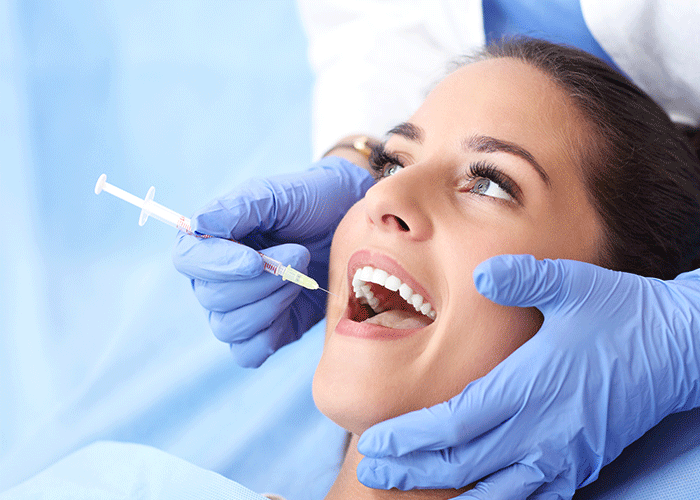
Bone Graft Substitutes As a substitute to using real bone many synthetic materials are available as safe and proven alternatives, including: Demineralized Bone Matrix (DBM)/Demineralized Freeze-Dried Bone Allograft (DFDBA) This product is processed allograft bone, containing collagen, proteins, and growth factors that are extracted from the allograft bone. It is available in the form of powder, putty, chips, or as a gel that can be injected through a syringe.
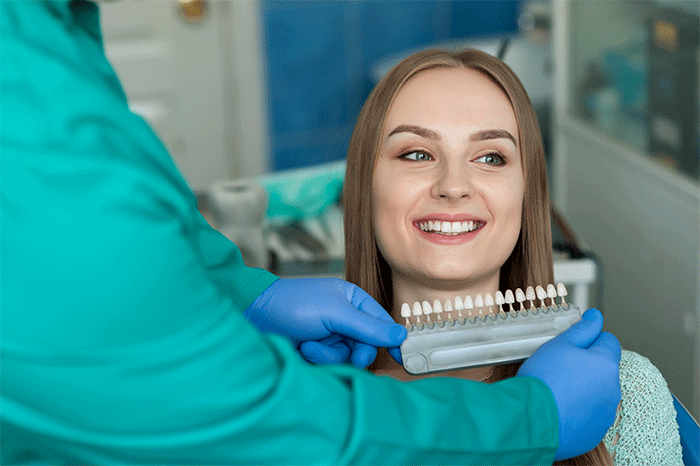
Book your appointment today for a renewed smile and confidence!
Dental Bone Graft Failures
Most bone grafts heal successfully, but failure can occur due to infection, inadequate blood supply, graft movement, or underlying health factors.
Causes of Bone Graft Failure
Infection
- The most frequent cause.
- Bacteria can enter during surgery or afterward if the surgical site isn’t kept clean.
Poor Blood Supply
- The graft needs blood flow to integrate.
- Smoking, vascular disease, or inadequate soft-tissue coverage reduce circulation.
Graft Mobility
- If the graft material shifts (chewing too soon, loose membranes, poor suturing), the graft cannot fuse.
Rejection / Incompatibility
- True “rejection” is rare.
- But the body may resorb the graft instead of integrating it.
Systemic Health Factors
- Diabetes
- Autoimmune diseases
- Osteoporosis medications (bisphosphonates)
- Poor healing capacity
Oral Hygiene Problems
- Food debris and bacteria around the graft can lead to breakdown.
Reducing the Risk of Bone Graft Failure
Before Surgery
- Control diabetes (A1C ideally <7)
- Quit smoking 2–4 weeks before and after
- Discuss medications (especially bisphosphonates)
- Treat gum disease first
After Surgery
- Follow surgeon’s instructions strictly
- Avoid chewing on the graft area
- Use prescribed mouth rinses
- Keep the area clean without brushing directly on the graft
- Avoid alcohol and smoking
- Attend follow-up visits and x-rays
Contact a Dentist Immediately
- Severe pain after day 3–4
- Fever
- Gum opening exposing graft material
- >Bad smell or taste
- Visible pus
Particles leaking out of socket
These are NOT normal and should be checked as soon as possible.
Schedule Your
Appointment
The first step towards a beautiful, healthy smile is to schedule an appointment.
Book Appointment
Please contact our office by phone or complete the online scheduling form. Our scheduling coordinator will contact you to confirm your appointment.
Call us Today 818-360-2131
Granada Hills
Chatsworth
TLC for Smiles 2021
Accredited by and associated with